Why Construction Careers Are in Demand
Before diving into what to expect, it helps to understand the broader industry context. The construction sector has been growing steadily, and skilled roles are often in high demand.
- Craftspeople, tradespeople, and technical specialists (such as roofers, glass installers, framers, and project managers) continue to be sought after.
- The industry is evolving. New building codes, energy efficiency requirements, green building technologies, improved safety standards, and digital tools are advancing construction processes, making now a great time to enter the field.
- Many firms are reporting shortages of skilled labor, especially in the trades. That makes it easier for newcomers who are willing to learn to find work.
So if you're entering now, you're stepping into a field with real need, not saturated competition.
The Pros: What You Get Out of a Construction Career
A career in construction offers a variety of benefits. Here are some of the reasons people stick with this work and build long, successful careers:
1. Tangible Results and Satisfaction
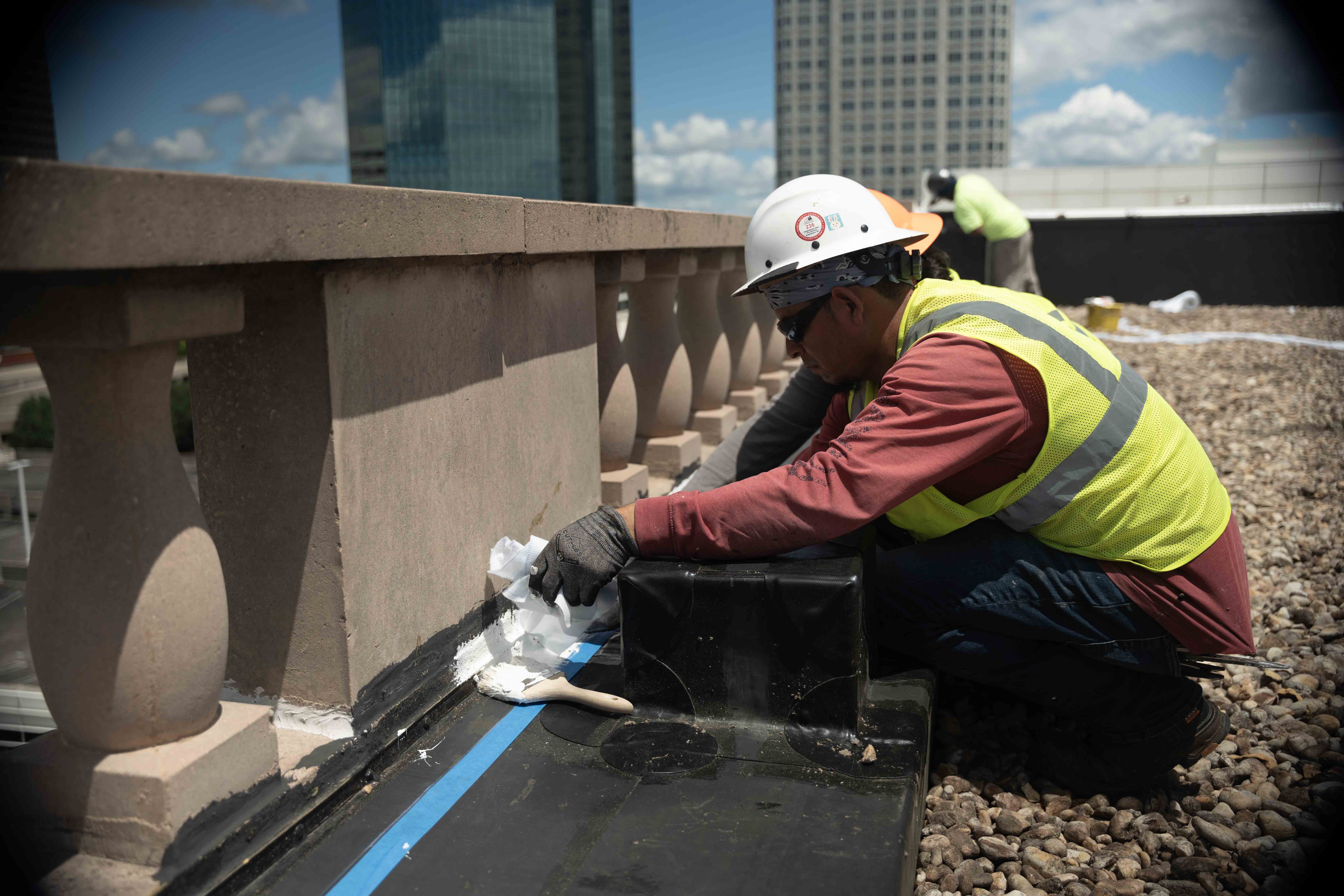
There's something unique about seeing a project move from blueprint to reality. When you help frame a building, install a storefront, or complete a roof, you can physically walk by and see your work. That sense of accomplishment matters.
2. Good Earning Potential Without Massive Student Debt
Many construction trades and roles don't require a four-year degree. Apprenticeships, trade schools, certifications, or on-the-job learning are often enough to build a solid income. This means starting to earn sooner and often avoiding high college debt.
3. Advancement and Leadership Opportunities
You can begin in entry-level roles—labor, apprentice, assistant—and grow into specialist or supervisory roles, like foreperson, project manager, estimator, superintendent, or even business owner. Hard work, reliability, safety consciousness, and willingness to keep learning go a long way.
4. Variety and Learning
No two days are the same. Weather, job site conditions, materials, and clients change. You'll develop a broad skill set: technical skills, problem-solving, communication, and teamwork. If you enjoy hands-on work, being outdoors, applying skills, and seeing challenges solved, this field delivers.
5. Job Security and Demand
Because so much involves specialized labor—installing roofing systems, glass framing, handling structural elements—many roles can't be automated or outsourced easily. This gives stability and creates opportunities for long-term careers.
The Challenges: What to Be Aware Of
With all the positives, there are real trade-offs. A thriving construction career requires grit, adaptability, and awareness of the demands. Here are things to consider:
1. Physical Demands and Tough Work Environments
Construction work often involves heavy lifting, working from ladders or heights, exposure to the elements, noise, dust, and vibrations. It can be hard on the body. You'll need physical stamina, safety awareness, and good habits to avoid injury.
2. Irregular Hours and Project-Based Nature
Projects often run on tight schedules. Sometimes that means early mornings, weekends, or longer days. Also, when projects end, there can be downtime before the next job starts—unless you're in a role or company with steady work.
3. Learning Curve and Continuous Training
Technology, materials, codes, and safety standards change. To stay competitive, you'll need to keep learning—new tools, certifications, and methods. Being open to training is essential.
4. Safety Risks and Compliance
Construction has inherent risks, like falls, equipment accidents, material hazards, and climate exposure. Companies with a strong safety culture and training mitigate risks; choosing a firm that prioritizes safety helps protect you.
5. Economic and Regulatory Fluctuations
The flow of projects depends on the economy, regulations, material costs, permitting, and zoning. For commercial construction, delays in regulation, supply chain issues, or material price volatility can affect schedules or reduce margins.
Are You the Type of Person Who Thrives in Construction?
Knowing your own preferences, strengths, and inclinations can help you decide if a construction career is right. Here are some traits that tend to help people succeed:
- You like solving practical, real-world problems and seeing immediate results.
- You don't mind physical work and environmental variables.
- You are safety-conscious, detail-oriented, and reliable.
- You're adaptable: when plans change, you can pivot.
- You have professional communication skills and can work with teammates, contractors, vendors, and clients.
- You're willing to learn new tools, regulations, and technologies.
If this list sounds like you, construction could be a great fit.
How The Bulldog Group Supports Construction Careers
At The Bulldog Group, we invest in our employees and work to build their careers. If you're considering entering construction, here's how we help our team succeed:
- We offer training and mentorship: apprenticeships, on-site learning with experienced forepersons, and continuing education.
- Our experts emphasize leading safety practices, proper equipment, and supportive work environments.
- We provide opportunities for advancement across roles, from trade to supervisory to project management levels.
- Our team values consistency and integrity; we aim to offer stable project pipelines to reduce employment gaps.
- We embrace new technologies, evolving codes, and materials so our teams stay current and competitive.
Start Your Construction Career with The Bulldog Group
A career in construction isn't for everyone. It demands physical strength, flexibility, continuous learning, and readiness to adapt to project-based work. But for those who enjoy hands-on work, team camaraderie, building something lasting, rising in skill, and making a tangible impact, the rewards are real.
If you want a career path with visible results, opportunities to grow, good pay, and the chance to contribute to your community's built environment, construction could very well be the right choice.
At The Bulldog Group, we're passionate about opening doors for people who want to build a career in North Carolina, South Carolina, and Virginia. If you're considering this path and want help understanding opportunities, training, or roles in our organization, let's talk. Explore our career insights or apply now to get started today.